Exercise During Perimenopause: It's About More Than Weight Loss
Jul 22, 2026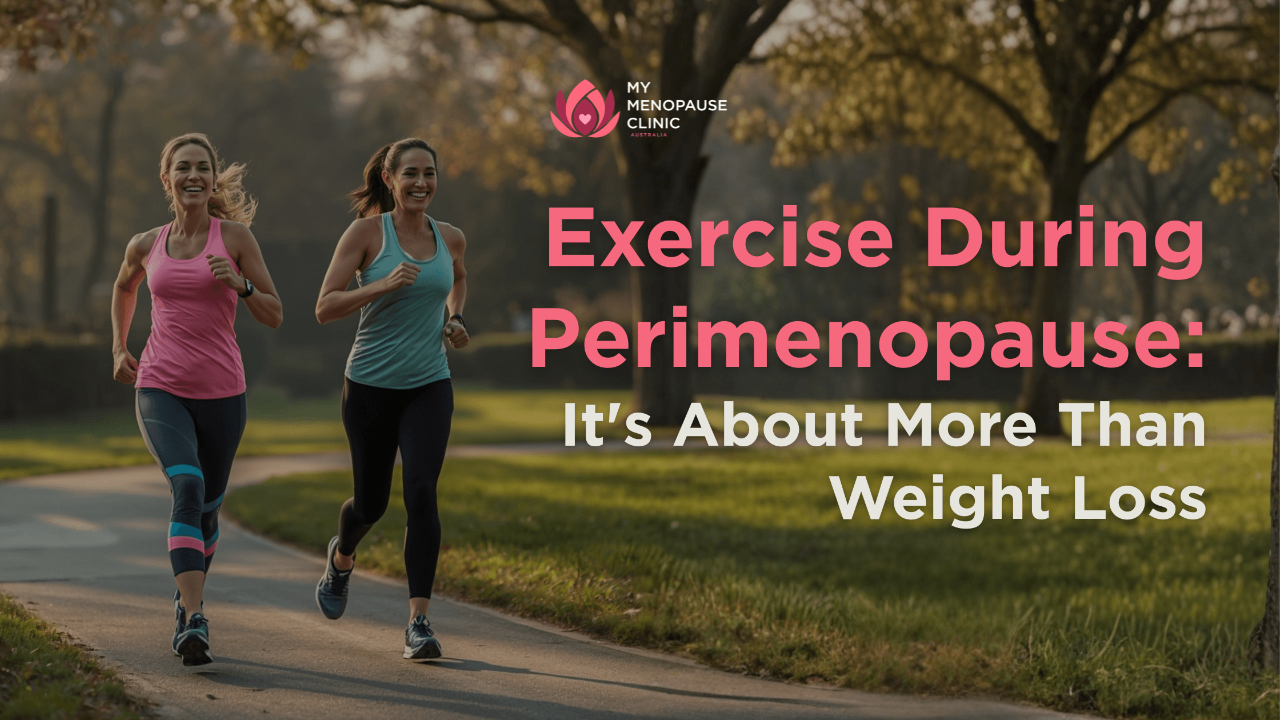
When you're navigating perimenopause or menopause, exercise can sometimes feel like one more thing on an already overwhelming to-do list.
You may be feeling more tired than usual, struggling with joint aches, finding it harder to recover after a workout, or wondering why the exercise routine that once worked no longer seems to make a difference.
If that sounds familiar, you're not alone.
Exercise during perimenopause can feel confusing and frustrating - but understanding what your body actually needs at this stage changes everything.
The good news is that exercise during midlife isn't about chasing a certain body shape or number on the scales. It's about supporting your hormones, protecting your long-term health, and helping you feel stronger, more energised, and more like yourself again.
Exercise Supports Your Hormones and Mood
Hormonal changes during perimenopause and menopause can affect mood, confidence, stress levels, and emotional wellbeing.
Regular movement helps support your mental health by:
- Increasing endorphins, your body's natural "feel-good" chemicals
- Supporting serotonin and dopamine, which influence mood and motivation
- Helping regulate your stress response
- Improving sleep quality, allowing your body to recover more effectively
Even gentle movement such as walking, yoga, or strength training can have a meaningful impact on how you feel both physically and emotionally.
Exercise Helps Protect Your Metabolic Health
As oestrogen levels decline, many women notice changes in their metabolism.
Weight may become easier to gain and harder to lose, particularly around the abdomen. Blood sugar regulation can also change, increasing the risk of insulin resistance over time.
Regular exercise can help:
- Improve insulin sensitivity
- Support healthy blood sugar levels
- Preserve lean muscle mass
- Maintain a healthy metabolism
- Improve energy throughout the day
Rather than focusing solely on burning calories, movement helps your body use energy more efficiently.
Strength Training: A Key Part of Perimenopause Fitness
One of the biggest changes that occurs during menopause is the gradual loss of muscle mass and bone density.
Without regular resistance exercise, women naturally lose muscle as they age, which can affect strength, balance, metabolism, and independence later in life.
Strength training can help:
- Preserve muscle mass
- Support bone health
- Reduce the risk of osteoporosis
- Improve balance and stability
- Make everyday activities feel easier
You don't need to lift heavy weights to experience these benefits. Consistent, appropriately prescribed resistance exercise can make a significant difference over time.
Movement Supports Healthy Ageing
Exercise isn't simply about looking fit today. It's about investing in your future health. Regular movement has been associated with:
- Better cardiovascular health
- Improved cognitive function
- Reduced risk of chronic disease
- Greater mobility and independence
- Improved quality of life as you age
The goal isn't perfection. It's consistency. Every walk, strength session, stretch, or bike ride is an investment in your future wellbeing.
Finding an Exercise Routine That Works for You
There is no single "best" exercise programme for every woman.
The right approach depends on your symptoms, current fitness level, medical history, and personal goals.
Some women benefit from strength training, while others may need to begin with walking, Pilates, swimming, or mobility work before progressing further.
The most effective exercise plan is one you enjoy, can maintain, and that supports your body through the hormonal changes of midlife.
Movement Is an Investment in Your Health
Exercise is one of the most powerful tools available for supporting your health during perimenopause and menopause.
It can improve your mood, support your hormones, strengthen your bones, protect your metabolic health, and help you maintain the energy and independence to enjoy the years ahead.
If you're unsure where to start or want guidance on creating an exercise plan that aligns with your health goals, we're here to help.
Book a consultation today to develop a personalised approach that supports your hormones, metabolism, and long-term wellbeing.